



The Ultimate Guide to Epoxy Flooring: Benefits, Applications, and Installation
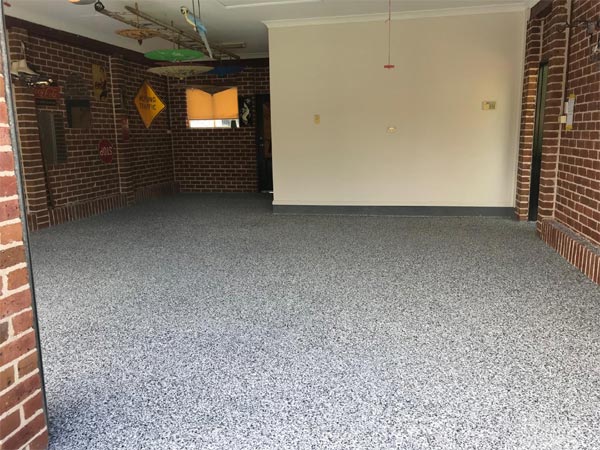
Want a floor that shrugs off oil drips, muddy shoes, and daily wear without looking like a workshop? Epoxy flooring is a tough resin coating that bonds to concrete, creating a smooth, sealed surface. If you’re comparing options for epoxy flooring in Sydney homes or commercial spaces, this guide breaks down the real benefits, where epoxy makes sense, and what the installation process looks like from prep to cure.
Why epoxy flooring is a smart upgrade
The benefits you will notice day to day
Epoxy feels a bit like putting a clear suit of armour over your concrete. It’s hard-wearing, resists many stains and chemicals, and doesn’t trap dust the way bare concrete does. Spilt car oil, pet accidents, or kids’ craft paint clean up with a mop instead of soaking in.
You can also choose finishes that suit how you live and work. A high-gloss topcoat can bounce light around a garage or warehouse, making the space feel brighter. Need grip? Many systems allow anti-slip additives without turning the floor into sandpaper.
Common downsides and how to avoid them
Epoxy isn’t magic; it’s chemistry. If the slab isn’t prepped properly, coatings can peel or bubble. A glossy finish can also feel slippery when wet, so match the texture to the room. In sunny spots, some epoxies can yellow over time, which is why UV-stable topcoats matter. Repairs are possible, but patches can show, so it’s worth getting the right system from the start.
Where epoxy works best, and where it might not
Great uses around homes and businesses
Epoxy suits spaces that take knocks and need easy cleaning: garages, workshops, laundries, covered patios, and storage areas. In commercial settings, it’s common in showrooms, retail back rooms, medical spaces, and light industrial sites. For kitchens, you’ll want a purpose-built, non-slip system that handles heat, spills, and frequent wash-downs.
Looks are flexible too. You can choose solid colours, flake blends for a speckled finish, metallic effects for a bold look, or a more subtle matte topcoat.
When to consider another flooring option
If your concrete has rising damp or high moisture vapour, epoxy may fail early unless the moisture issue is treated first. Slabs with major movement, wide cracks, or soft, contaminated concrete can also cause problems. Fully exposed outdoor areas in harsh sun and weather often suit other finishes better. Depending on the site, polished concrete, tiles, or a polyurethane top layer may be a smarter fit, which is why a site check is worth it.
Epoxy flooring installation: what to expect from quote to cure
Surface prep is the make-or-break step.
Most of the result comes down to preparation. Installers typically grind or shot blast the slab, repair cracks, remove oil and grime, test for moisture, and mask edges for clean lines. Skip these steps and you risk peeling, pinholes, or bubbles later. A provider like Danicrete Spray should explain the prep plan clearly, because it’s not the place to cut corners.
Coats, curing times, and aftercare basics
A typical epoxy flooring Sydney system is built in layers: primer, a base coat (colour), optional flakes or effects, and then a clear topcoat for wear and UV protection. Many floors handle light foot traffic after about 24 hours, but cars often need longer, sometimes 3 to 7 days, depending on products and weather.
For care, stick to gentle cleaners, wipe spills early, and avoid dragging sharp metal. After years of heavy use, you can recoat the clear layer to refresh the finish.
Conclusion
Epoxy flooring works best when it matches the space: how it’s used, slip needs, sun exposure, the condition of the concrete, and how much downtime you can allow for curing. If you’re weighing up options, book an on-site assessment with Danicrete Spray and ask about moisture testing, finish choices, and warranty terms. A little planning now makes a long-lasting floor far more likely.